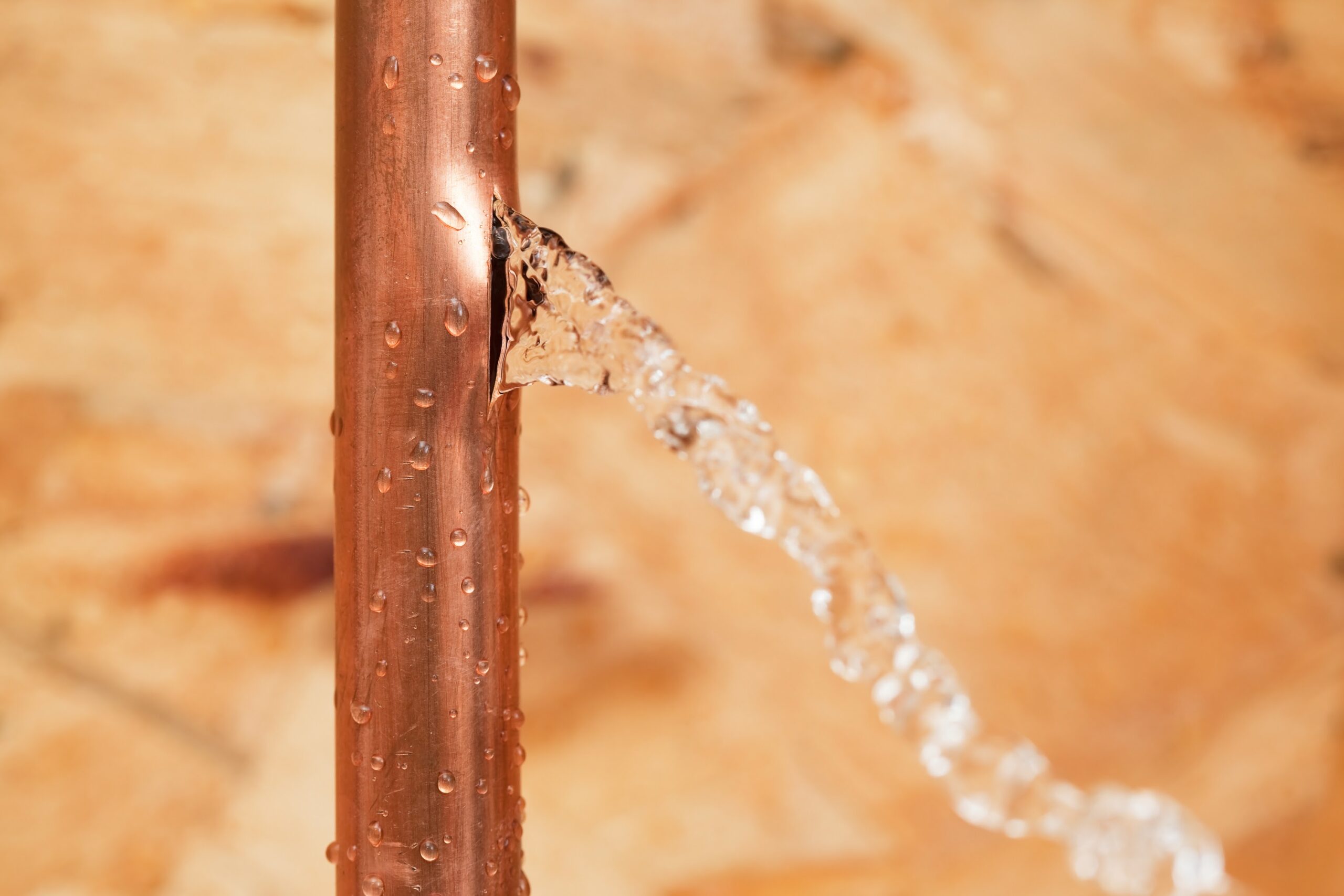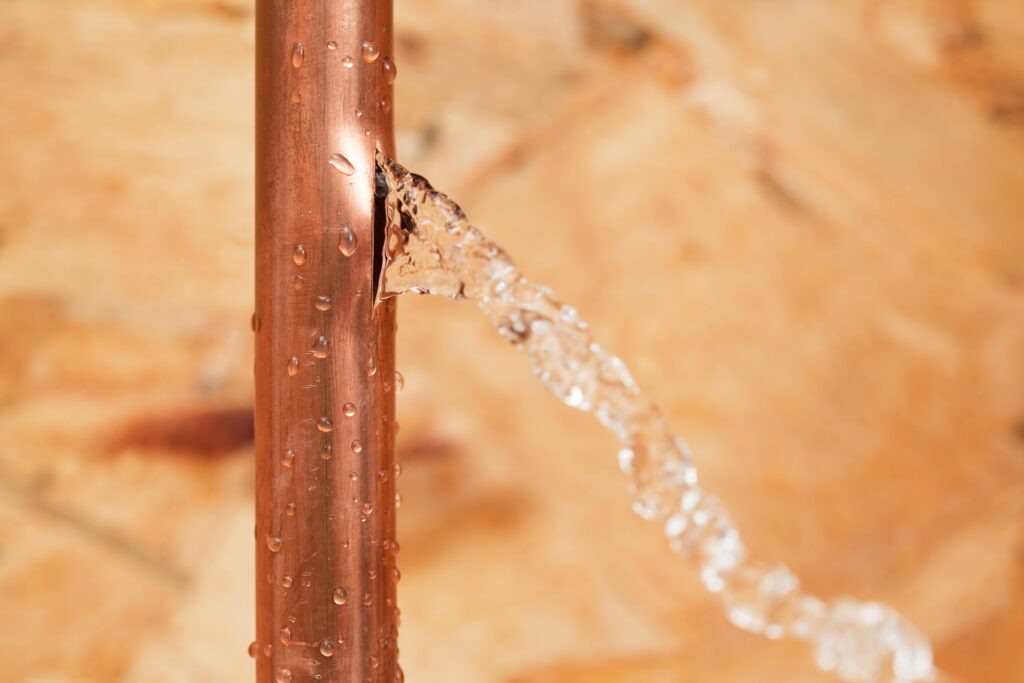
Unfortunately, frozen and burst pipes are a regular winter problem for Columbus homeowners. Prolonged cold with temperatures below freezing puts your plumbing at risk, especially pipes in exposed, less-insulated areas of your home. To avoid an emergency, it’s critical to winterize your pipes and take the necessary precautions to reduce your chances of a burst.
In this article, the restoration team at Paul Davis discusses frozen pipe prevention for Columbus homeowners, including warning signs and simple steps to reduce your risk of a frozen pipe that could burst and cause extensive water damage.
Where Frozen Pipes Most Commonly Occur in Central Ohio Homes
Cold spells that include several days of sub-freezing weather are often at the center of plumbing emergencies. When it comes to frozen or burst pipes, harsh winter weather can especially affect unheated areas like basements, crawl spaces, and utility rooms. However, these are not your only vulnerable pipes. Pipes located in exterior walls and kitchen or bathroom plumbing hidden inside draft cabinets are all more likely to freeze in a cold snap. Outdoor plumbing fixtures, such as garden hose spigots, should also be winterized to prevent damage.
Practical Steps to Prevent Frozen Pipes Before Temperatures Drop
It’s important for homeowners to winterize their plumbing to avoid serious water damage and flooding from burst pipes. This includes insulating exposed or vulnerable pipes with heat tape, foam insulation, or other products found at your local hardware store. You can also reduce risks by ensuring your home remains warm. This includes steps like sealing air leaks around windows, rim joists, and foundation gaps, as well as keeping interior doors open for better air circulation throughout your home.
What to Do During Severe Cold to Protect Your Plumbing
If extended sub-freezing periods are on the way, there are steps homeowners can take to avoid frozen plumbing pipes. Protect your pipes from freezing in Ohio with these key steps:
- Consistent heat: In extreme cold, it’s important to maintain steady indoor heat, even when you’re away. Set your thermostat to a minimum of 55 degrees when sleeping or traveling to protect pipes while you’re away. You may want to consider a smart thermostat that will help ensure temperatures never drop too low and gives you real-time alerts.
- Keep water moving: Running water is less likely to freeze. By letting faucets slowly drip, you can avoid a plumbing emergency. This is especially important for faucets that are connected to external walls.
- Improve airflow: There could be a significant temperature difference between your living spaces and the cabinets under your kitchen and bathroom sinks. Allow your heated air to reach these hidden pipes by opening cabinet doors and increasing air circulation.
How to Tell If a Pipe May Already Be Frozen
If your pipes have frozen, there’s still time to avoid a catastrophe. You may be able to thaw them if you act as soon as you see the first frozen pipe signs:
- Slow water flow or complete stoppage in a single faucet
- Frost, condensation, or unusual cold spots on pipes
- Unusually cold walls or floors
- Sounds of creaking or cracking from within the walls
- Strange smells from drains or faucets
- Bulging or warped pipe sections
- Wet spots, dripping, or puddles
Immediate Steps to Take If You Suspect a Frozen Pipe
Fast action is key to preventing frozen pipes from bursting. Start by using safe, gentle warming methods. We recommend warm towels or a hairdryer, but never anything with an open flame. Avoid anything that could worsen any existing cracks, like turning on faucets at full blast, banging on pipes to break the ice, or pouring hot water on them. If a pipe is frozen, using extreme heat to thaw it can cause thermal shock, increasing the likelihood that the pipe will burst.
If gentle warming techniques do not thaw the ice or if you start to see small cracks or leaks, you may need help. Call a professional if:
- You can’t locate the frozen section of the pipe
- The pipe is behind a wall or under the floor
- You can’t reach the pipe to safely thaw it
- The pipe has already frozen before
- You have older, high-risk plumbing materials like copper lines or galvanized steel
When to Contact the Paul Davis Team
If you have a burst pipe and need emergency water damage cleanup, contact the team at Paul Davis Restoration of Central Ohio. Our team offers expert flood and water damage services that include thorough and complete structural drying, along with moisture control to prevent mold damage.
We offer superior service and support in restoring your home after winter damage or emergencies. From mold remediation to basement flooding repair in Ohio, we’re here for you in your time of need with the most advanced water removal and structural drying tools, along with industry-leading expertise. We’ll respond to emergency calls within 30 minutes to minimize stress and ensure you don’t have to wait long for a solution.
Schedule water damage restoration in Ohio after a burst pipe by calling Paul Davis today.